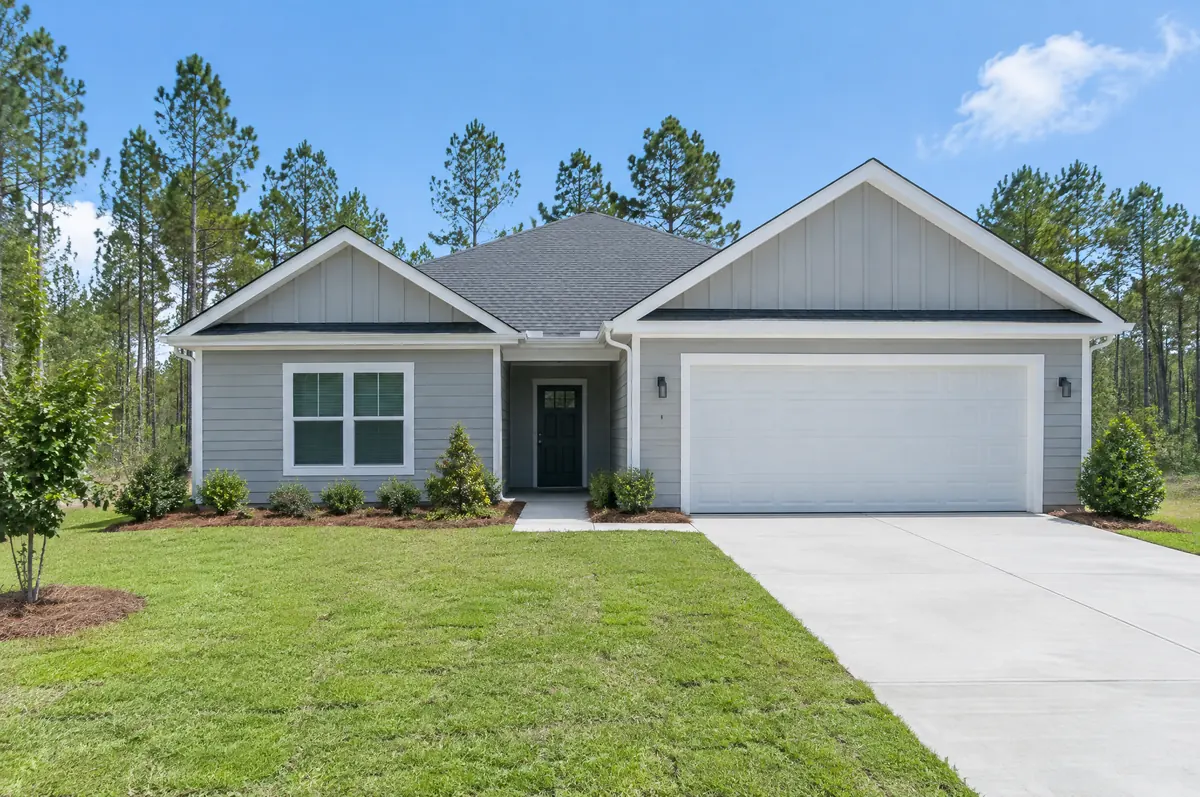
Callaway, Bay County
Blower Door Testing in Callaway, Florida
Air leakage testing for new houses in Callaway, measured against the Florida energy code limit.
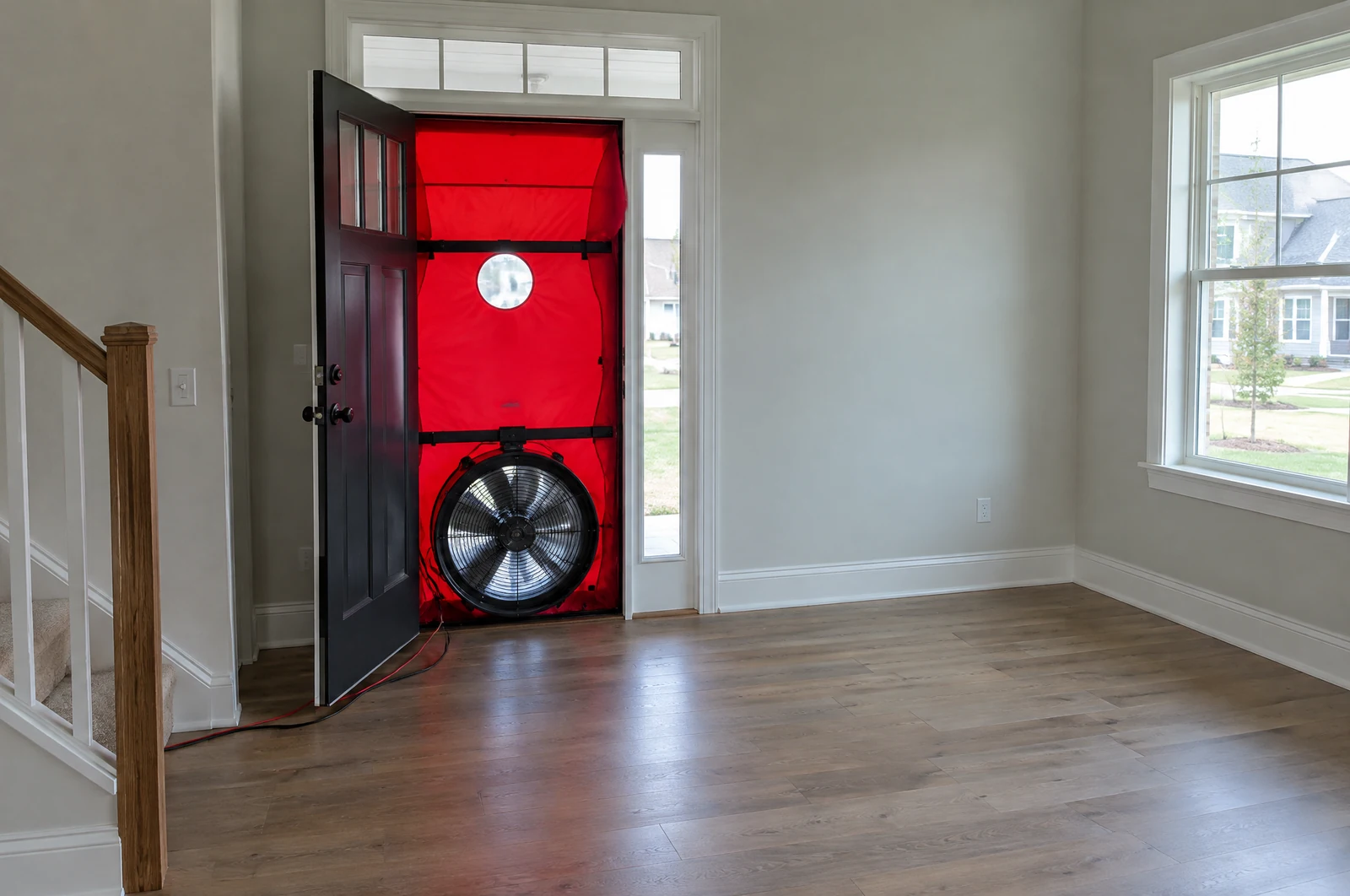
The blower door test for new Callaway houses
A new house in Callaway, ZIP code 32404, has to meet the air leakage limit in the Florida energy code, and a blower door test is how that is measured. Big Bend Services, Inc. runs the test for builders, contractors and owners of newly built houses.
Call (850) 819-6031 on weekdays from 7:00 AM to 4:00 PM, or use the form.
The limit
Seven air changes per hour at 50 pascals, in plain terms
Section R402.4.1.2 of the Florida Building Code, Energy Conservation, 8th Edition (2023), caps air leakage in new houses at 7 air changes per hour at 50 pascals in Climate Zones 1 and 2. Table R301.1 of the same code puts Bay County, and every other county we serve, in Climate Zone 2.
Air changes per hour
How many times the whole volume of air inside the house would be swapped for outside air in one hour at the test pressure. A reading of 7 means the leaks would replace the air seven times an hour.
50 pascals
The test pressure. It is fixed, so every house is measured under the same condition.
Measured against volume
The figure compares leakage with the air volume of the house, so large and small houses are held to the same number, and in a small house the same size gap counts for more.
At or under 7
A reading of 7 or lower is within the limit. Above 7, the leaks are corrected and the house is tested again.
How it works
What the blower door does
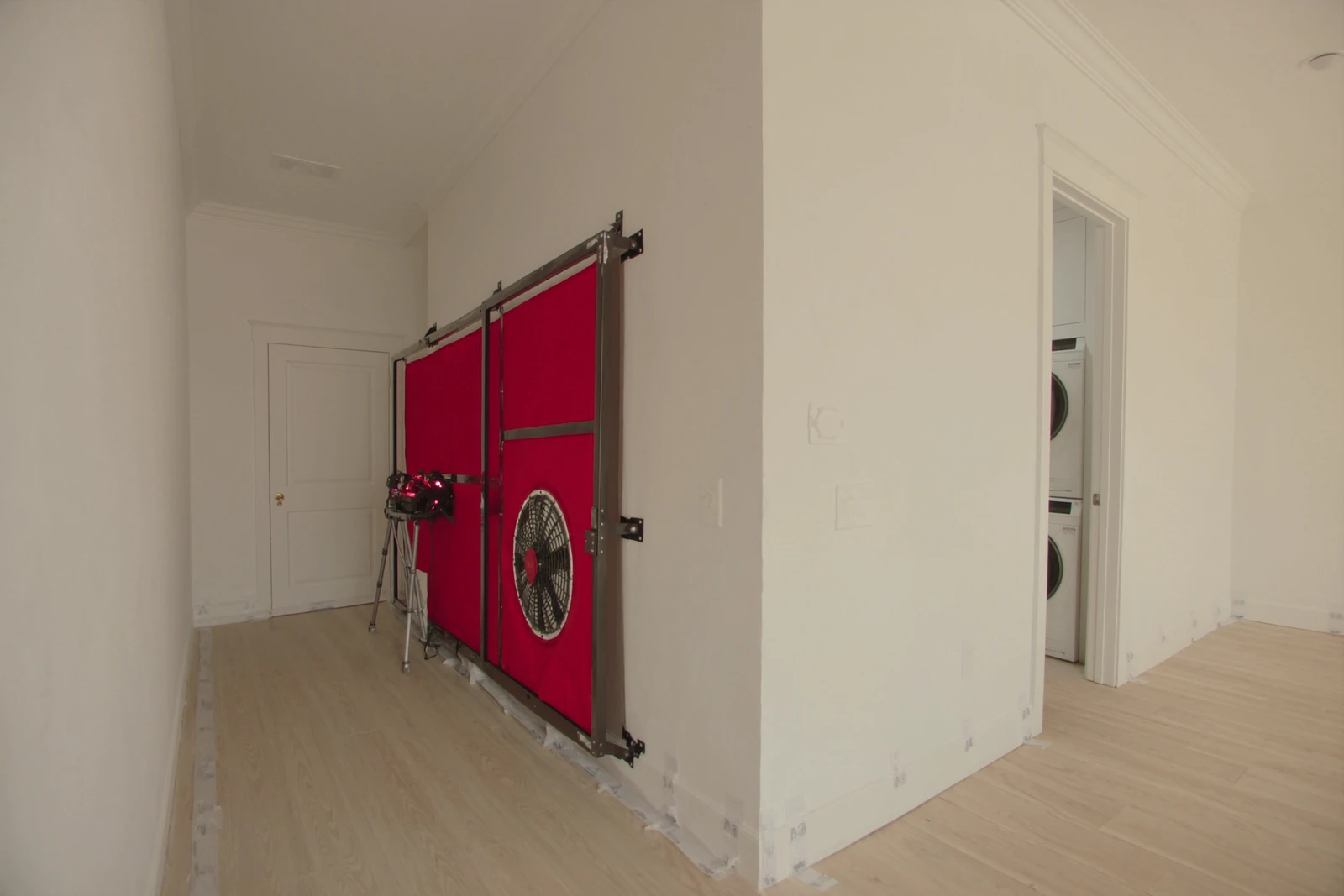
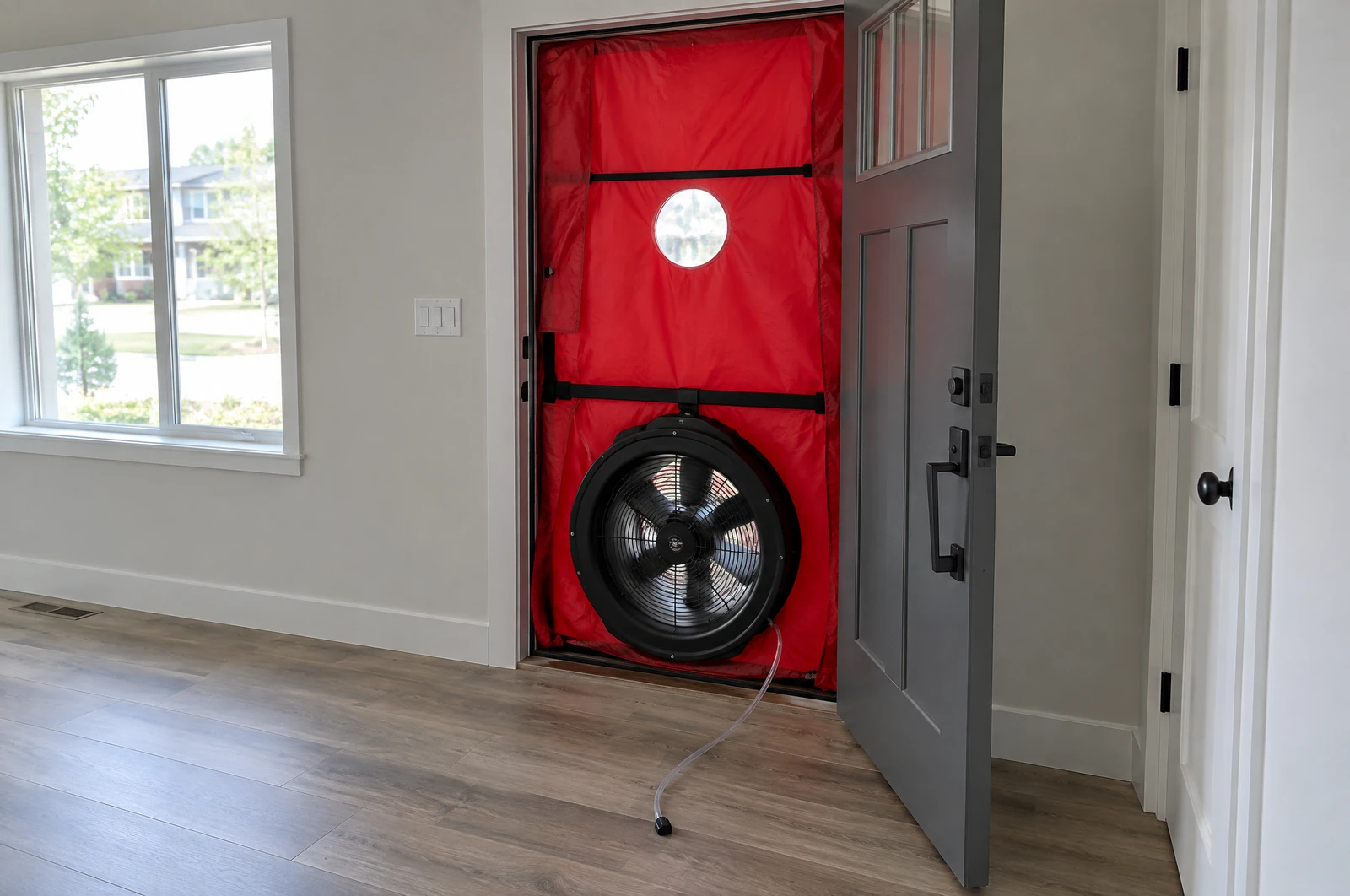
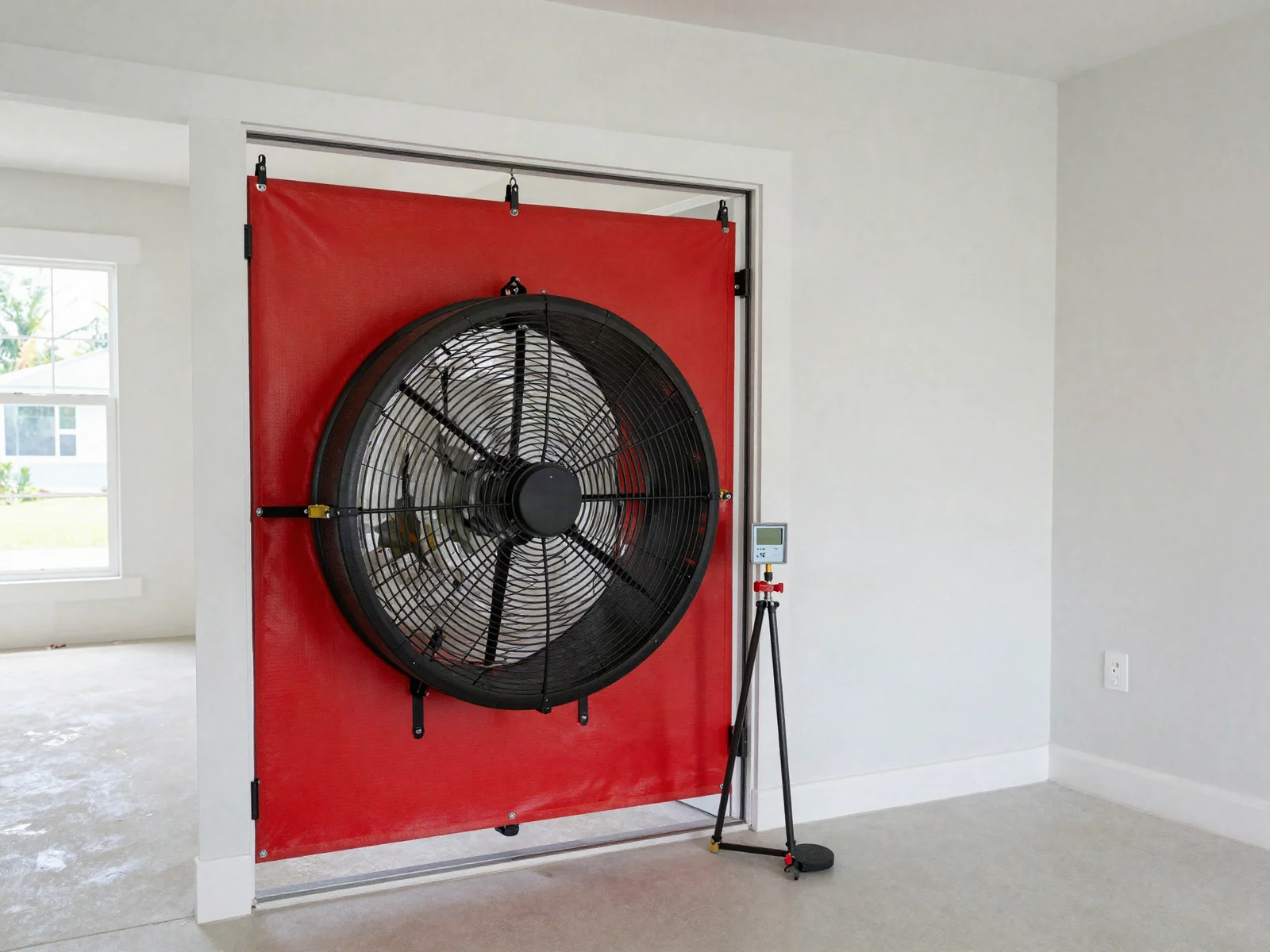
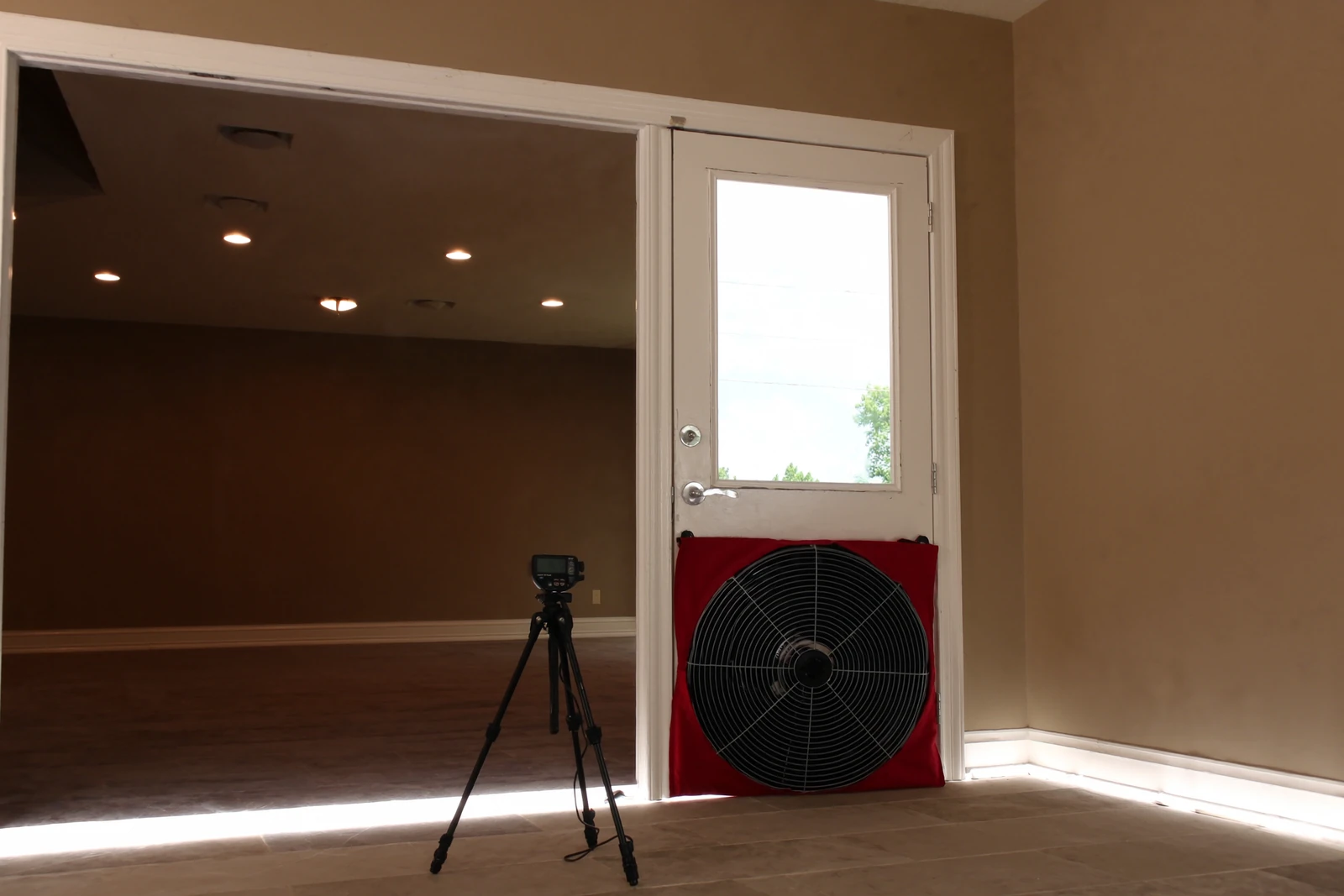
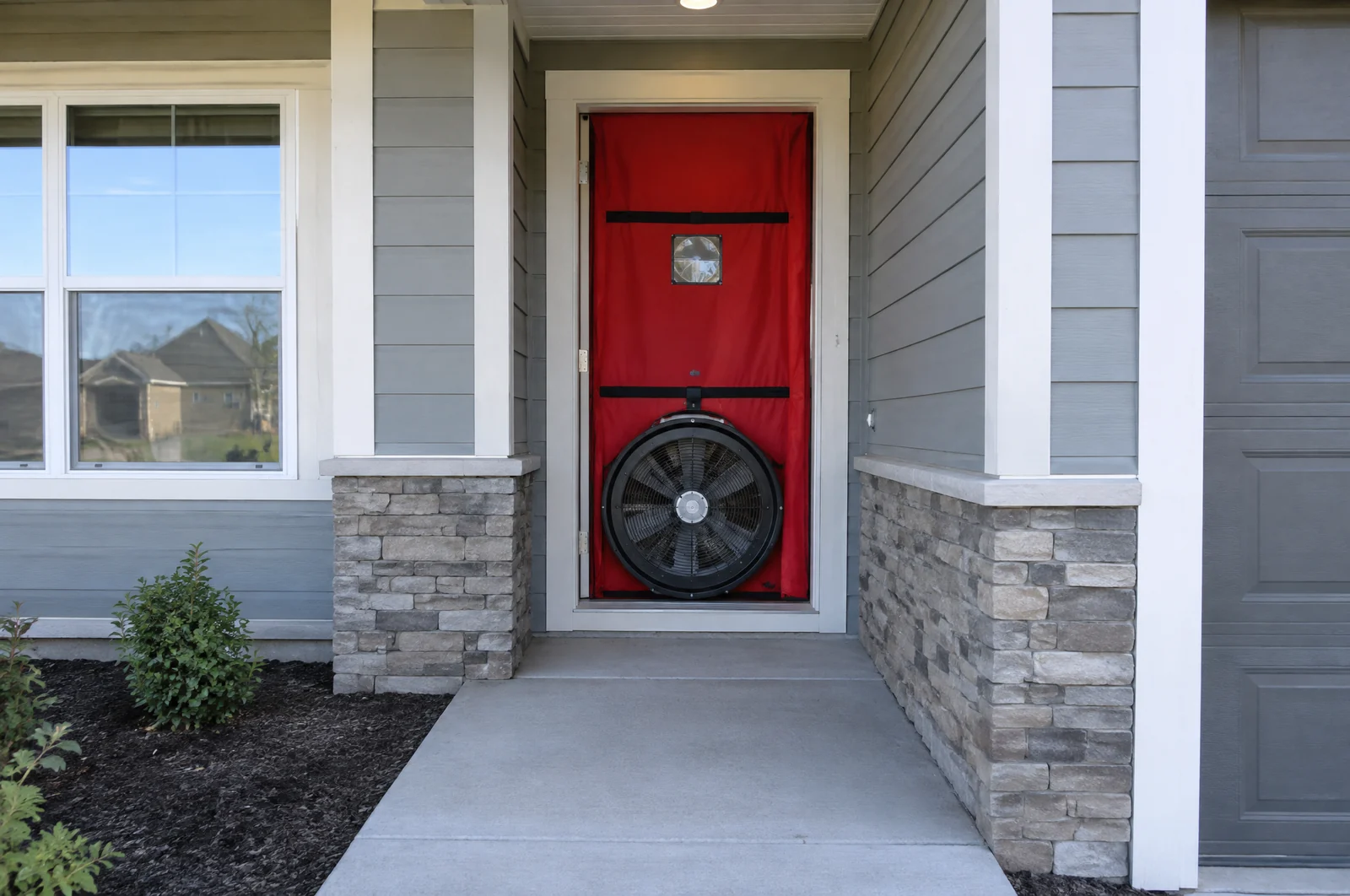
The fan is fitted in an exterior doorway, set in a frame that closes off the rest of the opening, and it holds the house at the test pressure.
Pressure held steady
With the house at test pressure, every gap in the walls, ceiling and floor is letting air through at the same time.
Airflow measured
The air moving through the fan matches the leakage, because the air has no other planned way in or out.
One number for the shell
The result is one reading for the whole house. It does not say where the leaks are.
The conditions that keep readings comparable
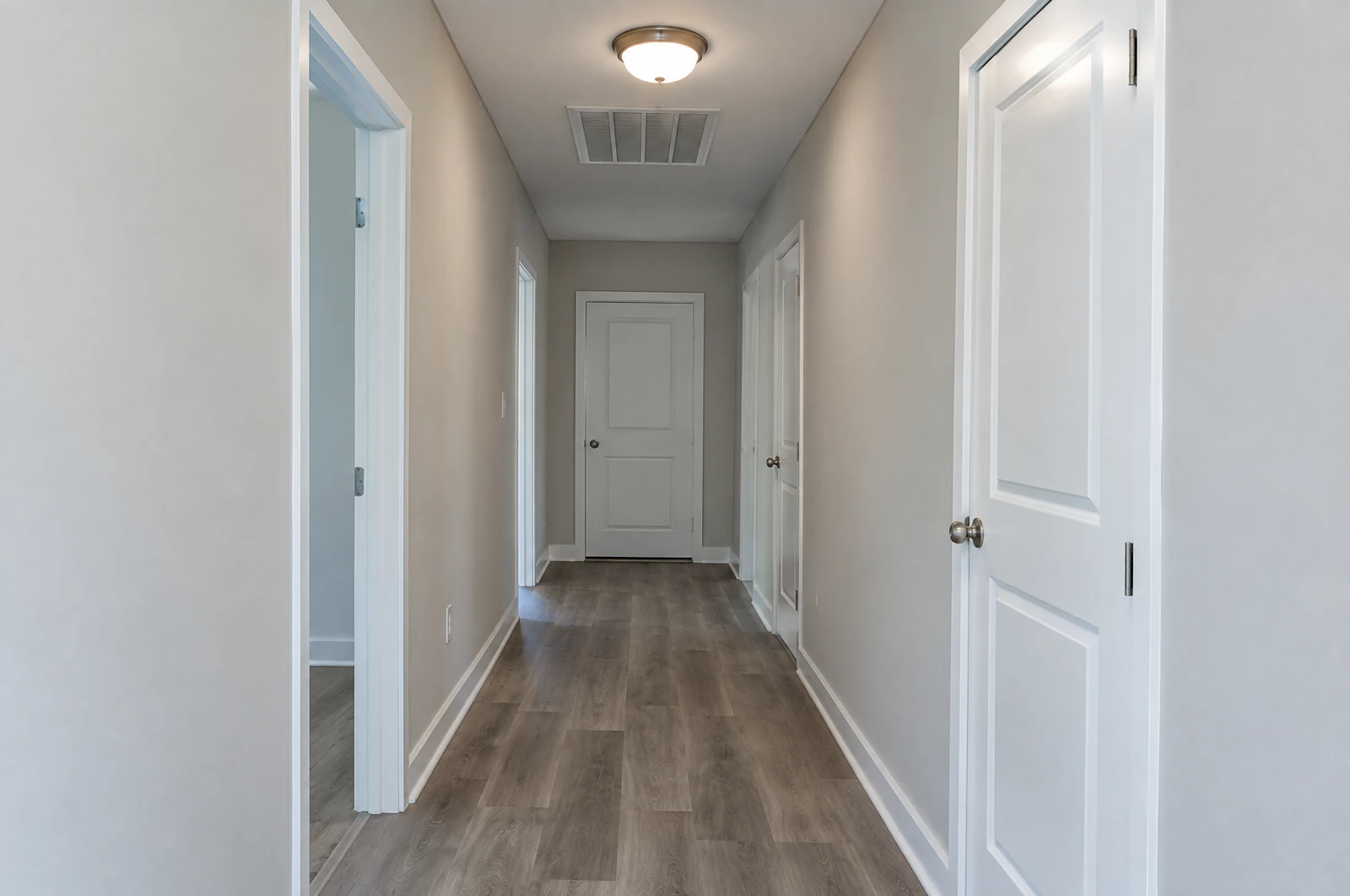
The code fixes how the house is set during the test, so a 7 on one house means the same thing as a 7 on another. Windows and exterior doors are closed but not sealed, fireplace and stove doors are closed, and exhaust, intake and flue dampers are closed. Interior doors stand open where they are installed, the heating and cooling equipment is off, and supply and return registers are fully open.
Where air gets through
The gaps that add up to the Callaway number
A builder can look these over before the date, while they are still easy to reach.
The opening to the attic
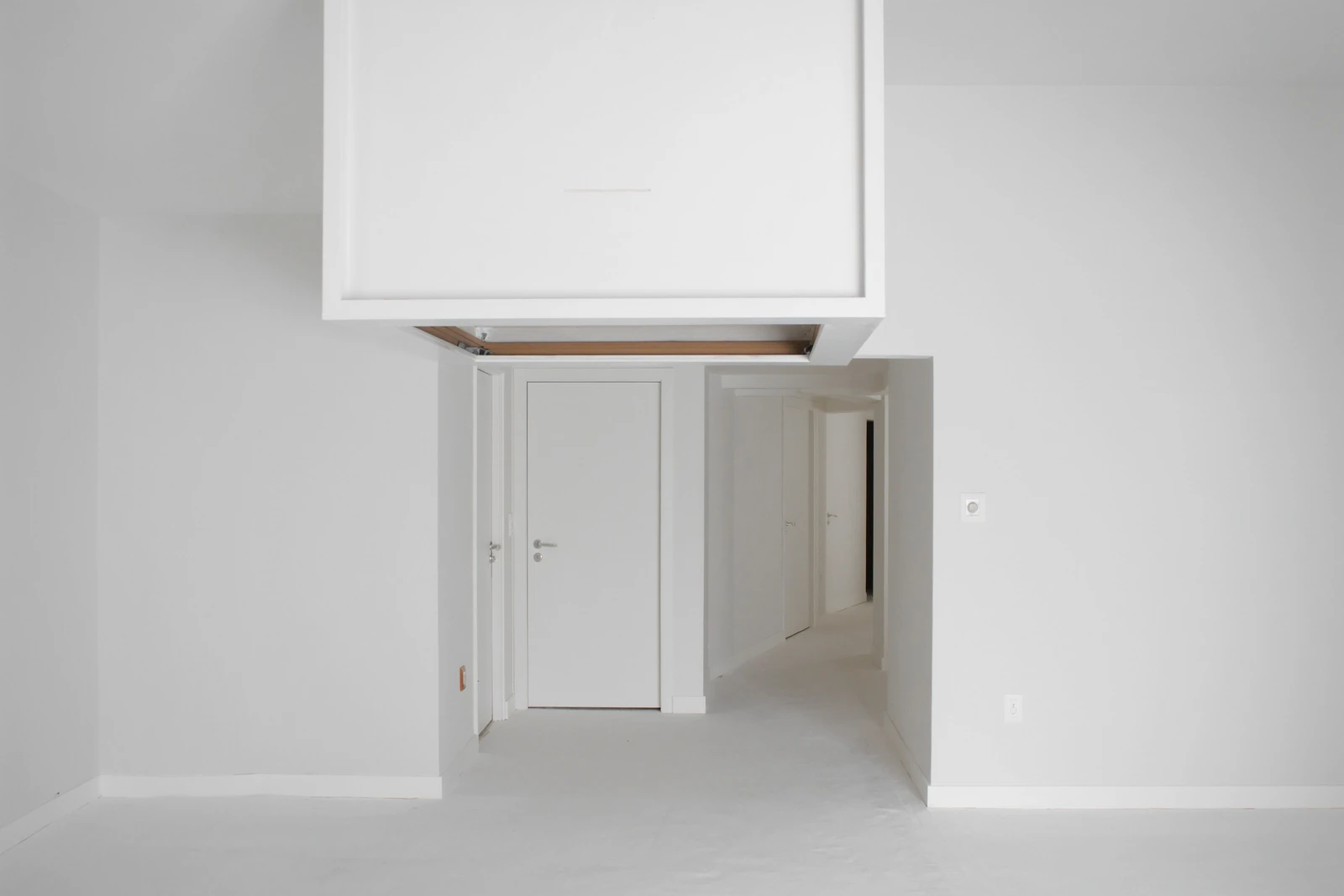
A scuttle or folding stair in the ceiling needs a gasket and a latch that pulls it down tight.
Wire and pipe openings up top
Every opening bored through the top of a wall for a cable or a pipe leads into the attic until it is filled.
Can lights
Housings set into the ceiling leave a gap to the attic around their edges.
Duct meets drywall
Where a register boot meets the ceiling or wall, the gap around it opens into the space behind.
Less obvious paths
Framing that can lead air out of a Callaway house
Some paths are built into the framing rather than cut by a trade, and they sit behind drywall once the house is closed in.
Air handler closet
A closet framed around the air handler, with a return built into it, can open into the attic or the wall cavities around it.
Soffits and chases
A framed soffit above the kitchen cabinets, or a chase for ducts or a flue, can open straight into the attic.
Between floors
On a two-story house, the band of framing between floors at the outside walls is a path for air unless it is sealed.
Walls beside attic space
A wall along a stair with attic space on the other side is an outside wall for the test.
Attics and garages in the reading
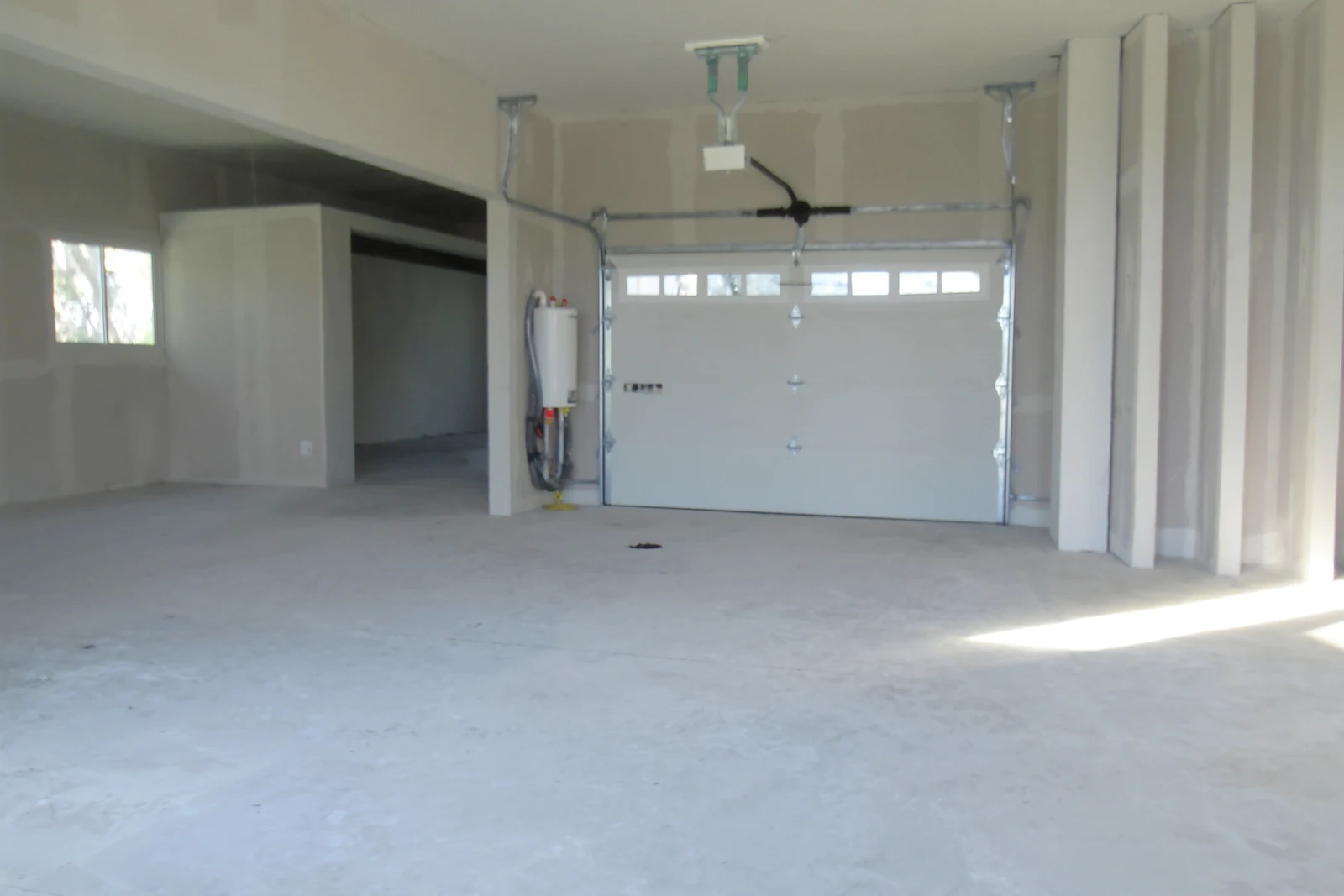
With a vented attic, the reading stops at the ceiling below it. With an attic sealed and insulated at the roof deck, the attic is opened to the house on test day and measured with it. An attached garage that is not heated or cooled is left out of the test, while the wall and door it shares with the house are part of the measured boundary.
Timing
When to book the test in Callaway
The test date is tied to the condition of the house, not to the calendar.
Shell complete
The code allows the test once the pipes, wires, vents and ducts that pass through the outer walls and ceiling are all in.
Finishes can wait
Paint, flooring and trim do not change the number.
Leave a margin
Booking ahead of the date you need the result leaves time to correct and retest.
Dates that move
If the house will not be ready, call and a new date is set.
Crews in the house on test day
Anyone working inside should stay put or step out before the fan starts, instead of coming and going while it runs, since an opened door changes the reading. Work that needs a door propped open, like carrying in flooring or cabinets, can start again as soon as the test is over.
Booking from Callaway
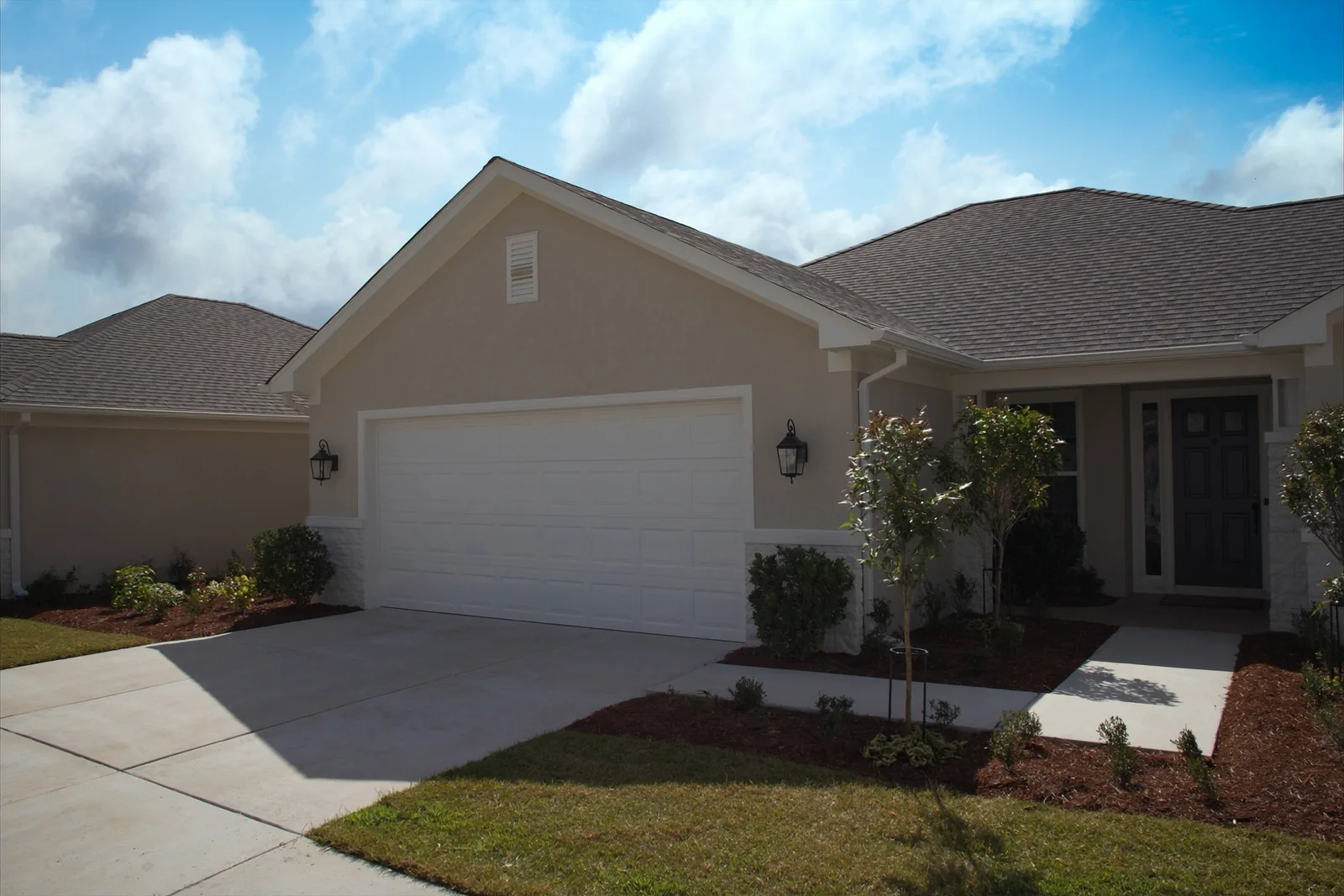
Callaway tests are booked through our office at 511 S Highway 71 in Wewahitchka. Send the address, the permit number, the date the house will be ready and a site contact. One booking can cover a single house or several, and each house is tested on its own with its own reading.
Same county
Blower door testing across Bay County
What to expect
How a Callaway test goes from booking to reading
- 1
Send the build details
Address, permit number and when the house will be ready.
- 2
Test booked
We give you a date for the test.
- 3
Test run
The house is tested once it is ready.
- 4
After a failed test
Corrections are made and the house is tested again.
Does a house with a fireplace get any extra allowance?
Are closets and pantries counted in the volume?
Do bath fans and the range hood need to be installed?
How is the fan airflow turned into air changes per hour?
Does the water heater need to be in?
Get a quote
Request a Blower Door Test in Callaway
Send the Callaway address and the date the house will be ready.