
Airflow and moisture
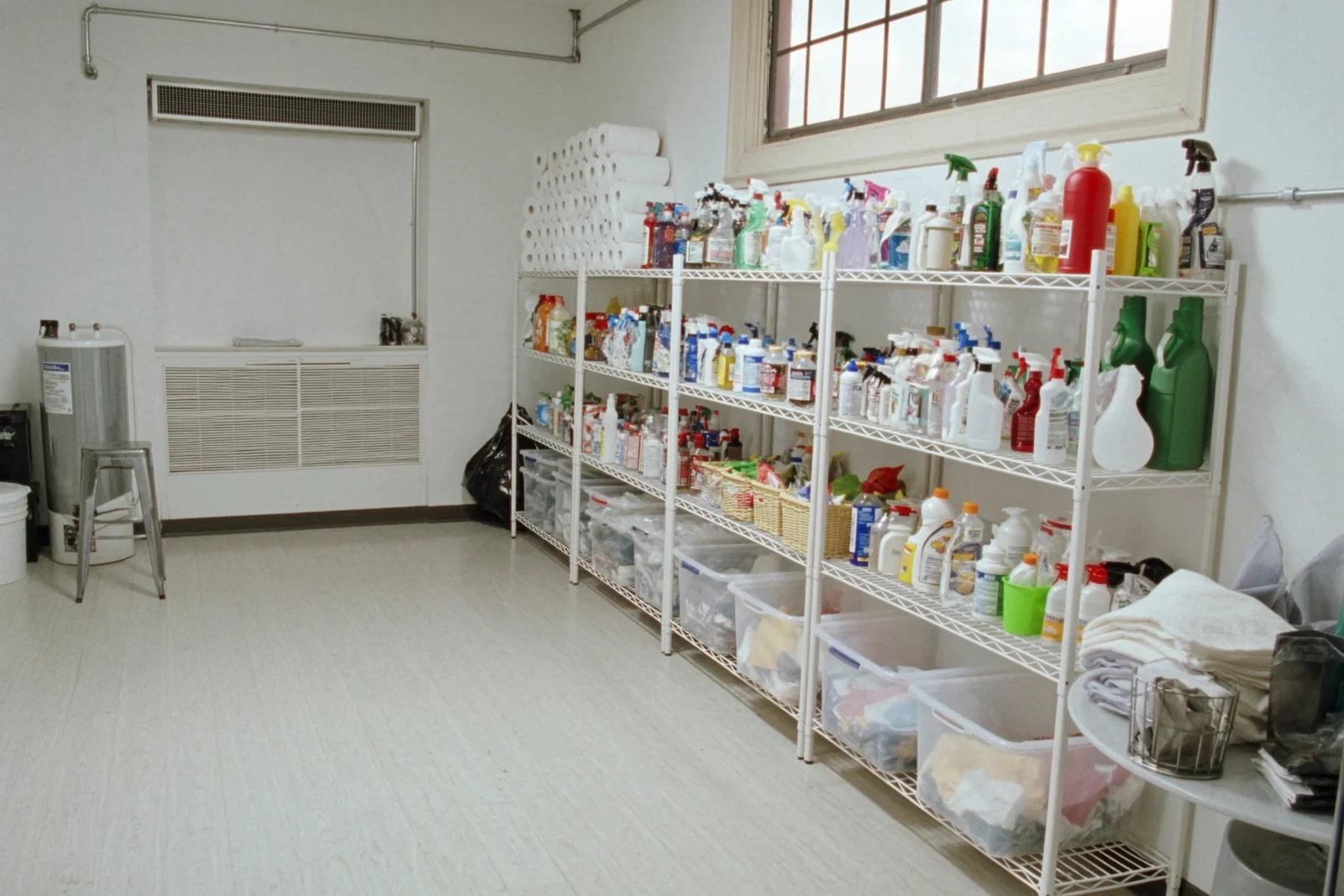
Wire lets air move through the shelf itself, so nothing sits trapped against a damp wall or in a humid room. Solid shelving is a flat, closed surface, and anything behind it stays covered.
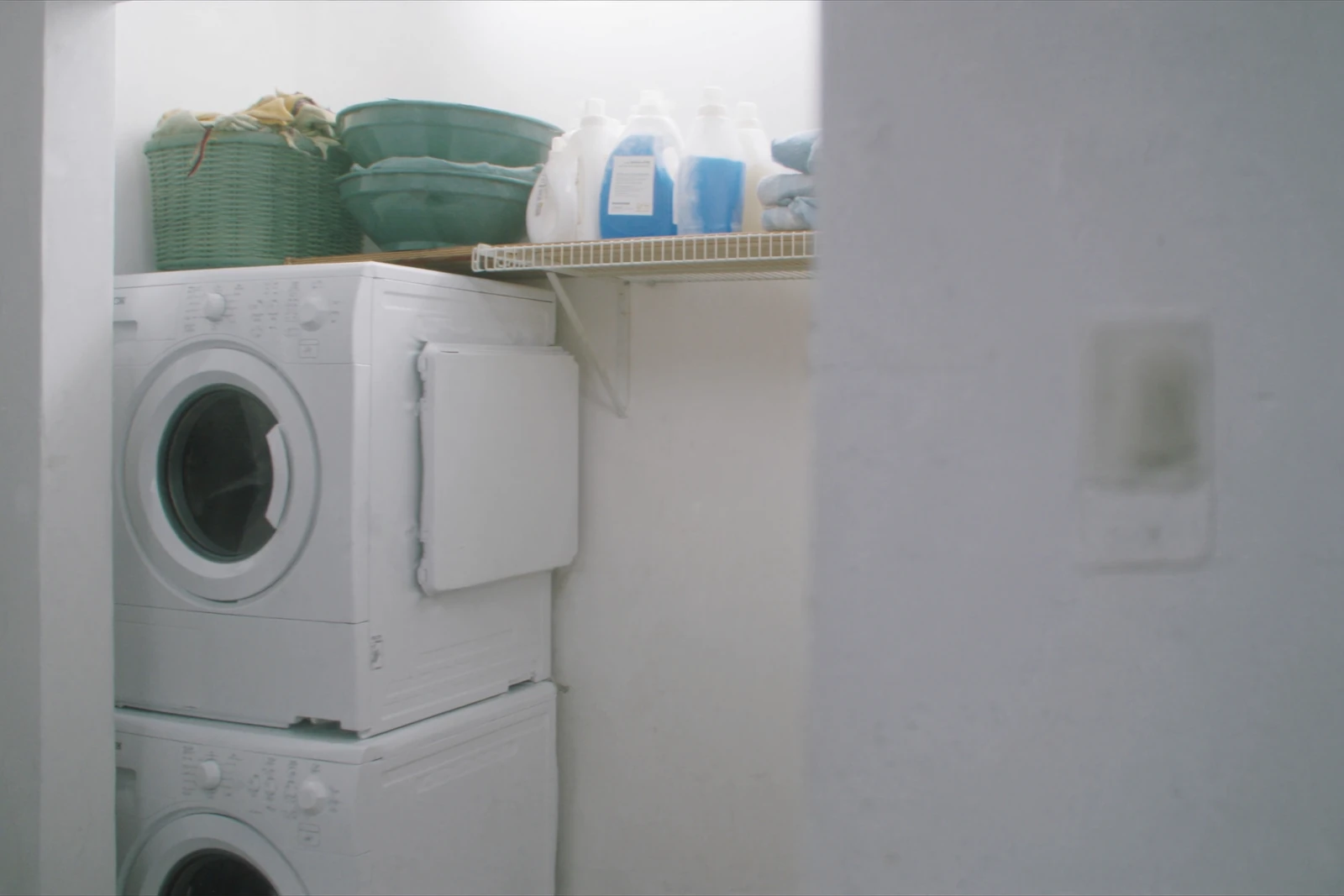
In a closet, pantry or laundry room that runs humid, that difference affects how fast folded fabric or cardboard packaging picks up moisture. In a dry, air-conditioned room it matters less.
Weight and how far a shelf spans
Both depend on how far apart the brackets sit, not just on the material. Either one sags if the brackets sit too far apart.
What also changes the outcome is what sits on the shelf. Small, heavy items concentrate weight in a narrow band.
- Heavier, denser items favor closer bracket spacing on either type
Seeing and reaching what is stored
An open wire shelf shows what is on it and the shelf below it, which matters in a pantry where cans and boxes get stacked. A solid shelf hides everything behind whatever sits at the front.
Wire also sheds dust and small debris. A solid shelf needs wiping down the way any flat surface does.
Where each one fits
Wire shelving suits closets, pantries, laundry rooms, garages, and utility and storage rooms, for the airflow and the open view of what is stored.
Solid shelving suits a spot where a flat, closed surface matters more than airflow, or where the wall behind it should stay fully covered.